
Boost Your Garden’s Growth Naturally With Plant Crystals
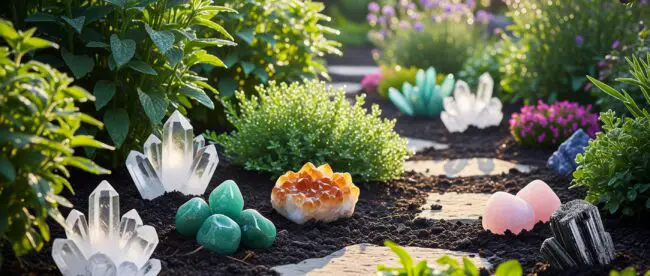
Garden centers love to sell you the latest fertilizers and fancy plant foods, but there’s something they’re not telling you about natural growth enhancement. While everyone’s debating between organic and synthetic nutrients, a growing number of gardeners are quietly placing specific minerals around their plants and watching them thrive. Plant crystals might sound like mystical nonsense at first glance – until you see the results.
What are plant crystals and why are they used?
Plant crystals are naturally occurring minerals that gardeners place in, around, or near their plants to promote healthier growth and create better growing conditions. Think of them as energetic companions for your green friends – each crystal carries its own vibrational frequency that interacts with the plant’s natural energy field. While the scientific community hasn’t fully validated these effects (yet), thousands of gardeners swear by the practice.
The concept isn’t entirely new age fluff. Crystals have been used in agriculture for centuries, from ancient Chinese farmers who buried jade near their crops to Victorian gardeners who decorated their conservatories with quartz clusters. Modern crystal gardening takes this traditional wisdom and applies it systematically. You’re essentially creating an environment where plants can tap into additional energy sources beyond just sunlight and nutrients.
Here’s what makes plant crystals particularly interesting: they work on multiple levels simultaneously. First, there’s the aesthetic value – a piece of rose quartz nestled among your petunias simply looks beautiful. Second, many gardeners report feeling more connected to their plants when crystals are present, leading to better care overall. Finally, and most controversially, there’s the energy exchange itself. Plants are living beings with their own electromagnetic fields, and crystals are structured minerals that resonate at specific frequencies. Put them together, and something happens.
The practice appeals especially to those seeking eco-friendly gardening methods. Unlike chemical fertilizers that can harm beneficial soil organisms, crystals don’t introduce any foreign substances into your garden ecosystem. They’re permanent additions that never need replacing. Pretty practical for something so “woo-woo,” right?
Best Crystals for Plant Growth and Their Specific Benefits
1. Clear Quartz for Energy Amplification
Clear Quartz acts like a natural battery for your plants, amplifying the energy already present in your garden space. This crystal raises the vibrational frequency of the soil itself, creating a more nutrient-rich environment where plants can better absorb what they need. When you bury a piece of Clear Quartz near a struggling plant, you’re essentially giving it an energetic boost – like switching from regular unleaded to premium fuel.
The placement matters more than you’d think. Position Clear Quartz pieces about 2-3 inches from the plant’s base, pointed upward to direct energy through the root system. Happy Soul Crystals notes that burying the crystal partially in soil significantly enhances plant health and growth. One unexpected benefit: plants near Clear Quartz often need less water, as the crystal helps optimize their water usage efficiency.
2. Green Aventurine for Lush Foliage
Green Aventurine is the go-to crystal for anyone wanting that Instagram-worthy, jungle-like foliage. This stone grounds negative energy while promoting vigorous leaf growth – it’s particularly effective for plants recovering from transplant shock or environmental stress. The crystal’s green color isn’t just coincidental; it resonates with the heart chakra of plants (yes, plants have energy centers too), encouraging healthy chlorophyll production.
What drives gardeners crazy about typical fertilizers is how they can burn delicate leaves if applied incorrectly. Green Aventurine provides growth support without any risk of chemical burn. Place small tumbled pieces directly in the soil or arrange larger specimens around the pot’s perimeter. The stone also helps plants adapt to environmental changes – perfect if you’re constantly moving your houseplants to find their “happy spot.”
3. Moss Agate for Root Development
Known as the “gardener’s stone,” Moss Agate specifically targets root systems, encouraging deeper, stronger root networks that anchor plants and improve nutrient uptake. This crystal contains mineral inclusions that look like tiny landscapes of moss and trees – nature’s way of signaling its purpose. When you place Moss Agate in your garden bed, you’re essentially creating underground highways for root expansion.
The effects become visible within weeks: plants develop thicker stems, stand more upright, and show improved drought resistance. For best results with crystals that promote plant growth, bury Moss Agate pieces at planting time, spacing them every 12 inches in vegetable gardens or clustering 3-4 pieces around fruit trees.
4. Citrine for Fruit Production
Citrine brings sunshine energy to your garden, even on cloudy days. This golden crystal specifically enhances fruit and flower production by stimulating the reproductive cycles of plants. Hespers explains that Citrine’s energizing properties boost plant vitality and productivity, making it particularly useful for tomatoes, peppers, and fruit trees.
The crystal works by clearing energy blockages that might otherwise limit fruit set. Place Citrine near flowering plants just as buds begin forming – this timing maximizes its impact on fruit development. Many gardeners report not just more fruit, but better-tasting produce when Citrine is present. Set your intention for abundance when placing the stone, and watch your harvest multiply.
5. Rose Quartz for Flowering Plants
Rose Quartz brings gentle, nurturing energy that flowering plants absolutely love. This soft pink crystal enhances emotional wellbeing – and yes, plants have emotions too, or at least energetic states that respond to positive vibrations. The Old Farmer’s Almanac confirms that Rose Quartz creates a positive environment particularly beneficial for flowering plants.
During stressful periods like transplanting or extreme weather, Rose Quartz acts as a plant therapist, helping flowers recover and bloom despite challenges. The crystal seems to extend blooming periods too. Place it among your roses, orchids, or any flowering plants that need extra TLC.
6. Black Tourmaline for Pest Protection
Black Tourmaline serves as your garden’s security system, creating an energetic barrier that deters pests while grounding electromagnetic radiation from nearby electronics. Gardening Know How reports that this crystal’s protective and purifying properties make it effective for pest deterrence while creating a more vibrant growth environment.
Unlike chemical pesticides that kill beneficial insects along with pests, Black Tourmaline works by making your plants less attractive to harmful bugs. Bury pieces around the garden perimeter or place them in containers. The stone also protects against environmental stressors like pollution and negative energy from stressed neighbors (both human and plant).
How to Use Crystals in Gardening
Around pots
Arranging crystals for indoor plants around pots creates an energy field that extends beyond the soil line. Start with a foundation crystal like Clear Quartz at the north point of your pot, then add supporting stones at the remaining cardinal directions. Green Aventurine to the east promotes new growth, Citrine to the south encourages flowering and fruiting, and Black Tourmaline to the west provides protection.
The beauty of perimeter placement? You can see your crystals while they work. This visual reminder helps you connect with your plants during watering and care routines. Plus, crystals around pots are easily moved when you need to adjust their influence or cleanse them under running water.
In Soil
Direct soil placement puts crystals in intimate contact with root systems, maximizing their influence on plant growth. The Crystal Council recommends burying Black Tourmaline in soil to safeguard plants from pests while encouraging growth. Partially bury crystals so their tops remain visible – this prevents losing them during repotting and allows energy to flow both below and above ground.
For established gardens, create crystal grids by burying stones in geometric patterns. A simple triangle of three Moss Agate pieces around a tree can significantly boost its health. In vegetable beds, alternate between different crystals every few feet to address various plant needs simultaneously.
Water Charging
Crystal-infused water takes the concept of how to use crystals in gardening to a liquid level. Place clean crystals in a glass container of water and let them sit in sunlight for 2-4 hours. The water absorbs the crystal’s energetic signature, which then transfers to plants during watering. Thought in Motion notes that crystal-infused water enhances nutrient absorption and overall plant vitality.
Not all crystals are water-safe though. Stick to quartz varieties, amethyst, and rose quartz for water infusions. Avoid soft or toxic stones like selenite or malachite. This charged water works especially well for seedlings and delicate plants that benefit from gentle energetic support.
How to Use Crystals in Gardening for Maximum Results
Placement Methods for Indoor Plants
Indoor placement requires more strategy than outdoor gardens because you’re working with limited space and specific room energies. Rivendell Shop suggests matching plant-crystal pairs to room purposes – like combining Snake Plants with Black Obsidian near entryways to ground incoming energy.
Consider your home’s energy flow when positioning crystals. High-traffic areas benefit from grounding stones, while quiet corners can handle more amplifying crystals. Create mini crystal gardens on windowsills where several plants share the influence of one larger specimen. Remember: crystals near heating vents or air conditioners may need more frequent cleansing due to constant air movement disrupting their energy fields.
Garden Bed Crystal Arrangements
Large garden beds offer endless possibilities for crystal placement strategies. Create a perimeter of protection with Black Tourmaline stakes every 6 feet, then add growth-promoting crystals within the bed itself. For raised beds, embed crystals into the wooden frames – they’ll influence the entire growing space while staying out of your way during planting and harvesting.
Design crystal pathways between plant rows using flat stones like Green Aventurine or Moss Agate. This double-duty approach provides both energetic support and practical stepping stones. Cluster crystals around particularly valuable plants or those prone to problems. That prized heirloom tomato? Give it a three-crystal support team.
Crystal Water for Plant Irrigation
Taking crystal water to the next level involves creating specific blends for different plant needs. Crystals to enhance plant health work best when you match the water to the growth stage: Clear Quartz water for seedlings, Green Aventurine for vegetative growth, and Citrine for fruiting plants. Keep multiple bottles charging simultaneously so you always have the right blend ready.
“Preparation of crystal-infused water involves submerging crystals in water to transfer their properties, benefiting soil moisture and plant health.”
For automated irrigation systems, place larger crystals directly in rain barrels or water reservoirs. The constant circulation continuously charges the water. Just ensure your crystals are secured in mesh bags to prevent them from clogging pipes or valves.
Seasonal Crystal Rotation Schedule
Smart gardeners rotate their crystals seasonally, matching stone properties to plant needs throughout the year. Spring calls for growth-promoting Green Aventurine and Moss Agate. Summer benefits from Citrine’s fruiting energy and Rose Quartz’s bloom support. Fall requires grounding stones like Black Tourmaline for pest protection and stress relief. And winter? Mooncat Crystals recommends Clear Quartz to maintain vitality during dormancy.
Keep a crystal calendar noting which stones are where and when you last cleansed them. Monthly cleansing under the full moon recharges their energy. Rotate crystals between different plants every season so each plant experiences various beneficial frequencies throughout the year. This prevents energy stagnation and keeps your garden dynamically balanced.
Benefits of Using Crystals in Plants
The most obvious benefit of using best crystals for plant growth is the improvement in overall plant vitality without using any chemicals. Plants grown with crystal support often display deeper green foliage, stronger stems, and increased resistance to environmental stressors. But the benefits extend beyond just the plants themselves.
Gardeners report feeling more connected to their growing spaces when crystals are present. This enhanced awareness leads to better plant care – you notice problems earlier, water more mindfully, and generally spend more quality time with your plants. It’s like the crystals remind you to slow down and really observe what’s happening in your garden.
Here’s something unexpected: crystal gardening can actually save money long-term. Consider this comparison:
|
Traditional Methods |
Crystal Gardening |
|---|---|
|
Chemical fertilizers ($20-50/month) |
One-time crystal investment ($30-100) |
|
Pesticides ($15-30/month) |
Black Tourmaline placement (permanent) |
|
Growth hormones ($25-40/season) |
Clear Quartz amplification (permanent) |
|
Replacement costs (ongoing) |
Occasional cleansing (free) |
The ecological benefits deserve mention too. No chemical runoff, no disruption to beneficial soil organisms, no risk to pollinators. Crystals support the natural ecosystem rather than forcing artificial growth. Your garden becomes a balanced environment where plants, minerals, and living creatures coexist harmoniously.
Beyond the practical applications, crystal gardening opens up a completely different relationship with your growing space. You start noticing subtle energy shifts – how certain corners of your garden feel more vibrant, how some plant combinations seem to sing together while others feel off. This heightened sensitivity makes you a better gardener overall.
Frequently Asked Questions
How often should I cleanse crystals used in my garden?
Cleanse your garden crystals monthly under running water or during the full moon. Crystals in high-traffic areas or near stressed plants may need cleansing every two weeks. You’ll know it’s time when the stones feel heavy or look dull.
Can I use multiple crystals for the same plant?
Absolutely. Combining 2-3 different crystals creates a synergistic effect. Just avoid overwhelming small plants with too many stones. A good rule: one crystal per 6 inches of pot diameter, or 3-5 crystals around larger garden plants.
Do crystals work for all types of plants?
Most plants respond positively to crystal energy, but succulents and cacti seem less affected – probably because they’re already adapted to harsh conditions. Delicate plants like orchids and ferns show the most dramatic improvements with crystal support.
What size crystals are most effective for plant growth?
Size matters less than quality and placement. A small, high-quality crystal properly positioned outperforms a large, low-grade stone. For containers, use crystals 1-2 inches across. Garden beds can handle specimens 3-6 inches or larger.
Should crystals touch the soil or plant directly?
Crystals work best when partially buried in soil, with about one-third showing above ground. Avoid direct contact with stems or leaves, which can cause moisture buildup and potential rot. Maintain a 1-2 inch buffer from plant bases.
What crystals are good for plants?
The top performers include Clear Quartz (overall growth), Green Aventurine (foliage), Moss Agate (roots), Citrine (fruiting), Rose Quartz (flowers), and Black Tourmaline (protection). Start with these six and expand based on your specific garden needs.
What does a crystal do for a plant?
Crystals interact with a plant’s natural electromagnetic field, potentially amplifying growth signals and creating energetic balance. They may also structure water molecules for better absorption and create subtle environmental changes that promote healthier growth patterns.
Where should I place crystals for plants?
Strategic placement includes: around pot perimeters for container plants, partially buried near root zones in gardens, suspended in water for charging, or arranged in grids throughout growing spaces. Match placement to your specific goals and space constraints.
How to make crystal-infused water for plants?
Place clean, water-safe crystals (quartz varieties work best) in a glass container filled with filtered water. Set in direct sunlight for 2-4 hours or under the full moon overnight. Remove crystals and use the charged water within 24 hours for maximum potency. Never use toxic or water-soluble stones.
